Read the place
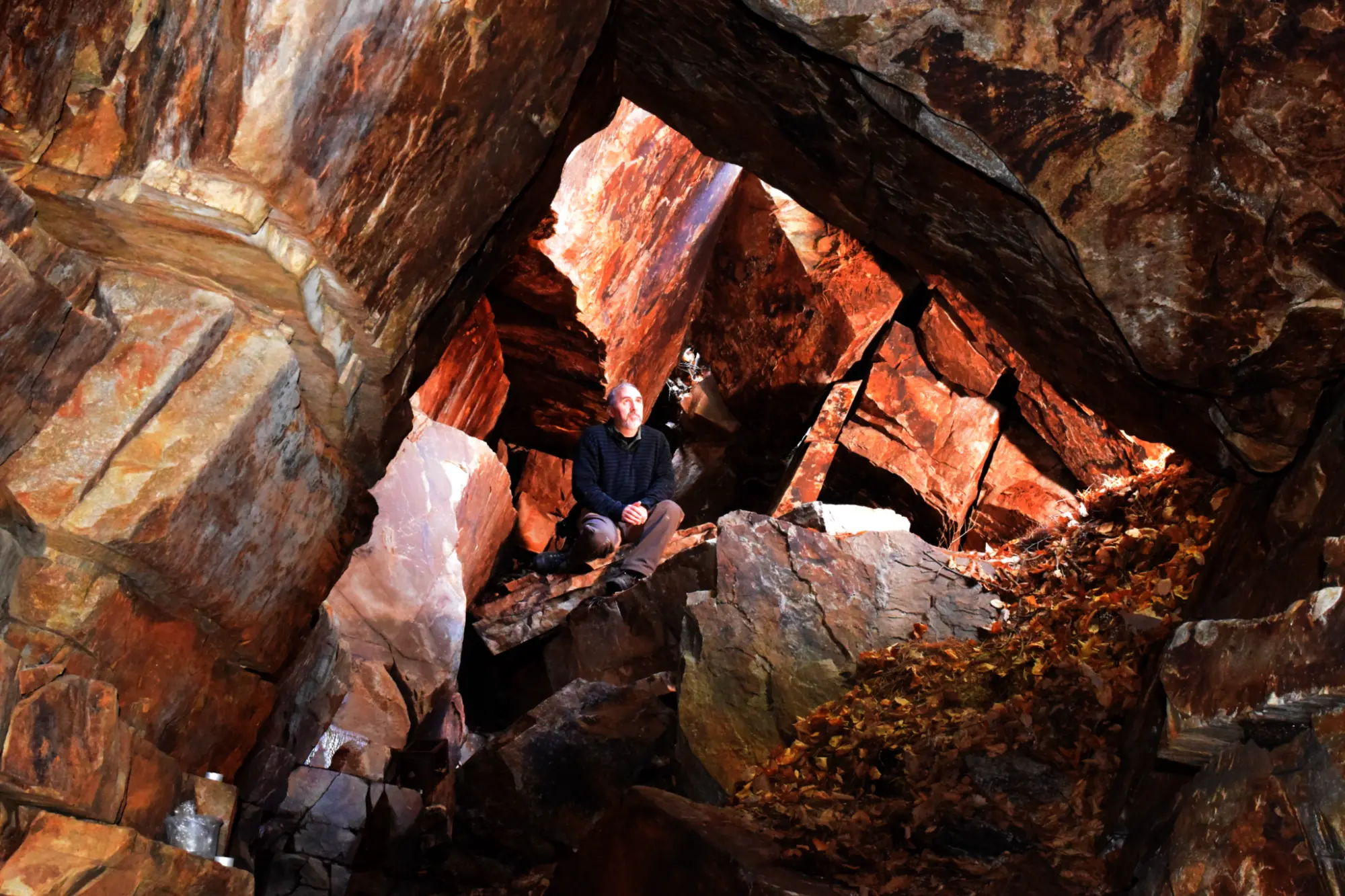
Geology, water, structures, artifacts, and absences all carry information. The first obligation is to notice what is actually there.
Explorer · Writer · Public Speaker
I follow questions into caves, flooded mines, forgotten places, and the stories that survive around them.
About the work
The work often starts with an old map, an unfinished account, a local story, or a place that has slipped from common memory.
I explore caves, abandoned mines, flooded passages, and historical sites as parts of larger questions, rather than isolated destinations. What happened here? What evidence remains? Which parts of the story have been remembered, and which have quietly disappeared?
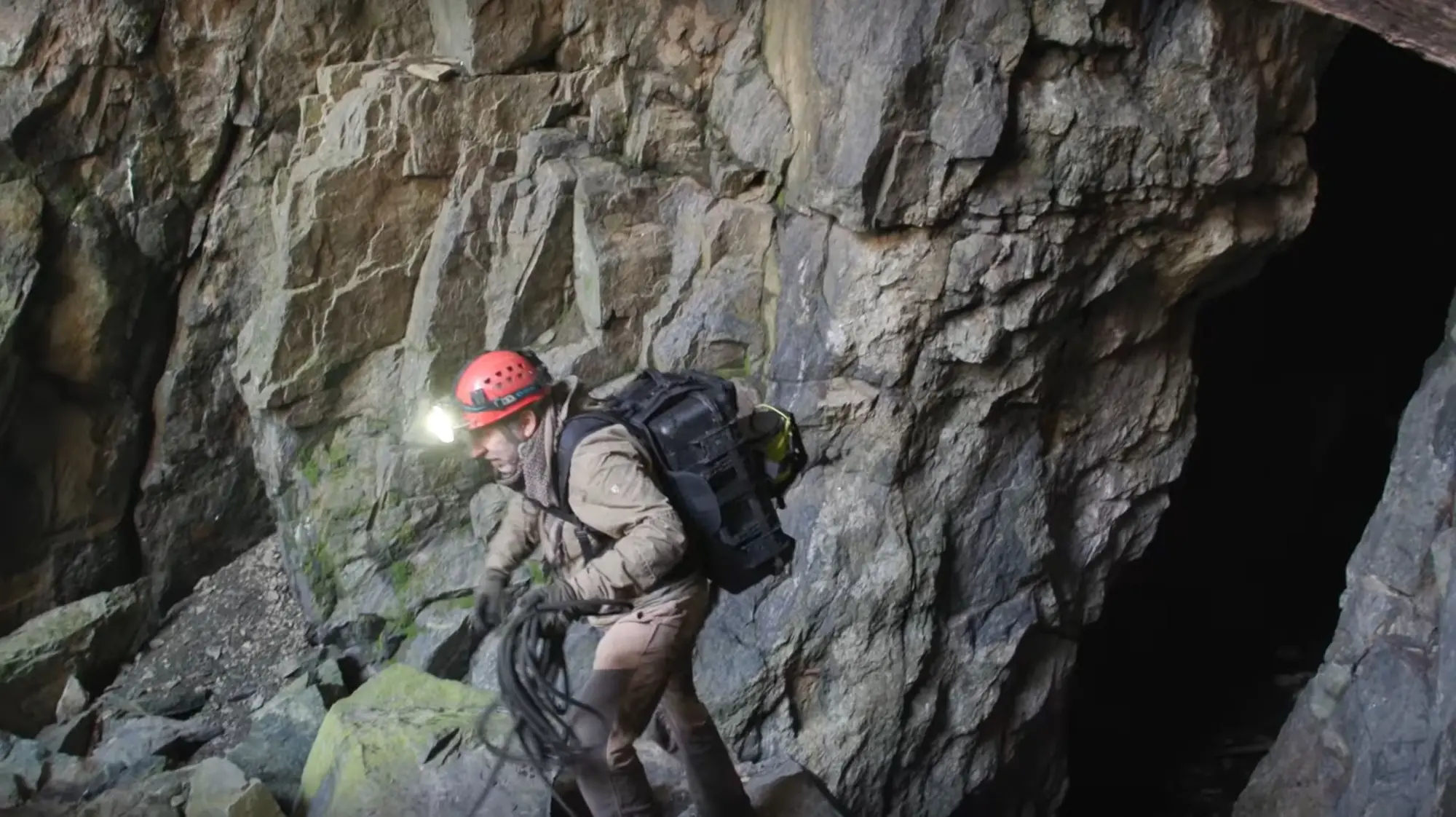
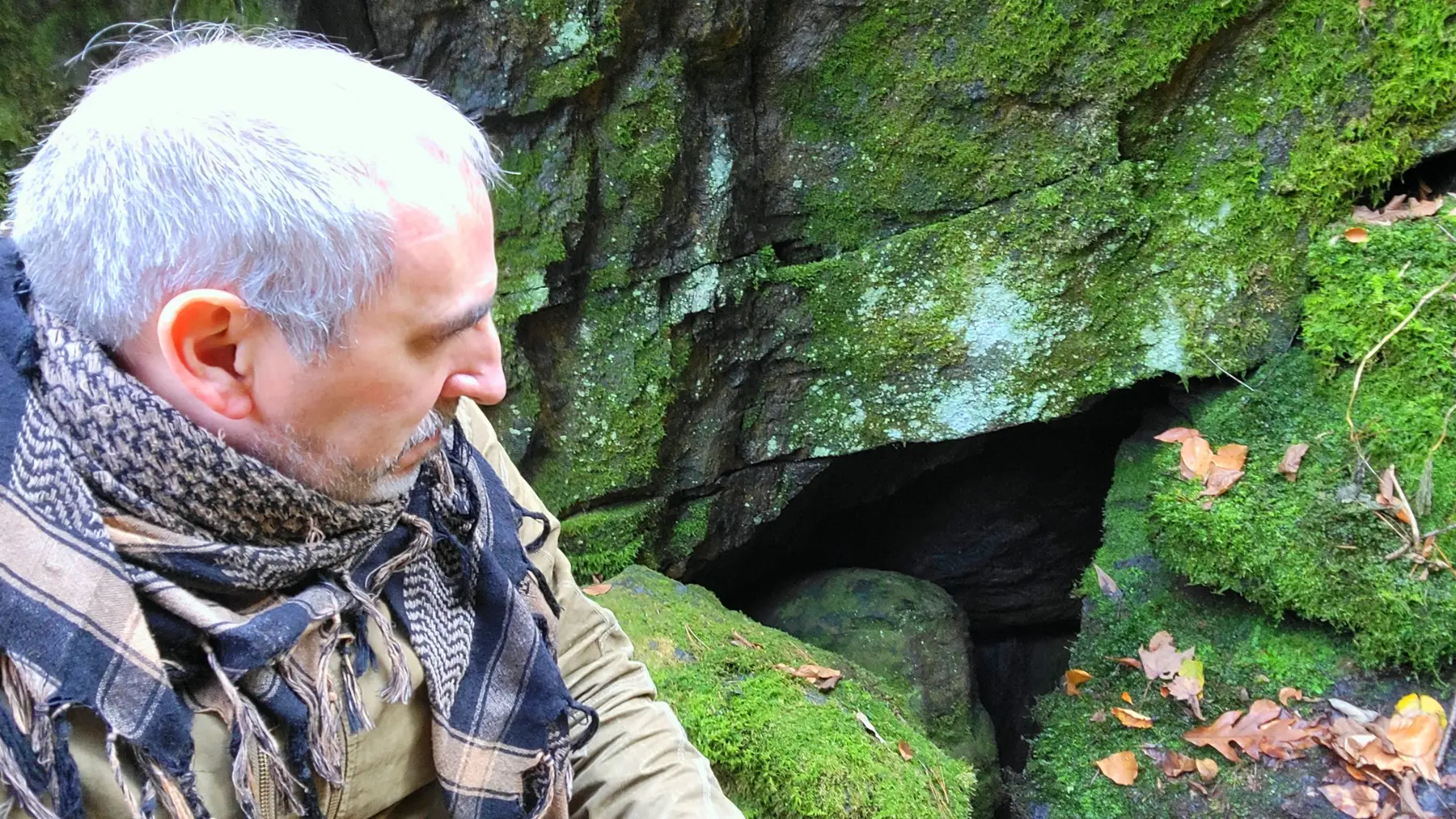
Fieldwork may involve walking an uncertain route, descending underground, piloting a small underwater vehicle, comparing historical sources, or returning repeatedly until the landscape and the record begin to agree. The method changes with the place. The purpose is to come back with something that can be examined, understood, and shared.
Why I explore
I explore because the unknown has the power to surprise us.
By entering places that are difficult to reach and following questions without predictable answers, I sometimes encounter things I could never have imagined beforehand. I return with those discoveries, not simply as evidence of where I have been, but as stories that allow others to experience something of the unknown for themselves.
A way of working
Exploration is strongest when curiosity, documentation, and collaboration reinforce one another.
Geology, water, structures, artifacts, and absences all carry information. The first obligation is to notice what is actually there.
Maps, cameras, LiDAR, historical records, and underwater robotics make it possible to examine what distance, darkness, or water would otherwise conceal.
A discovery matters beyond the expedition when people can understand its context, its uncertainty, and why it changed the questions being asked.
In the field
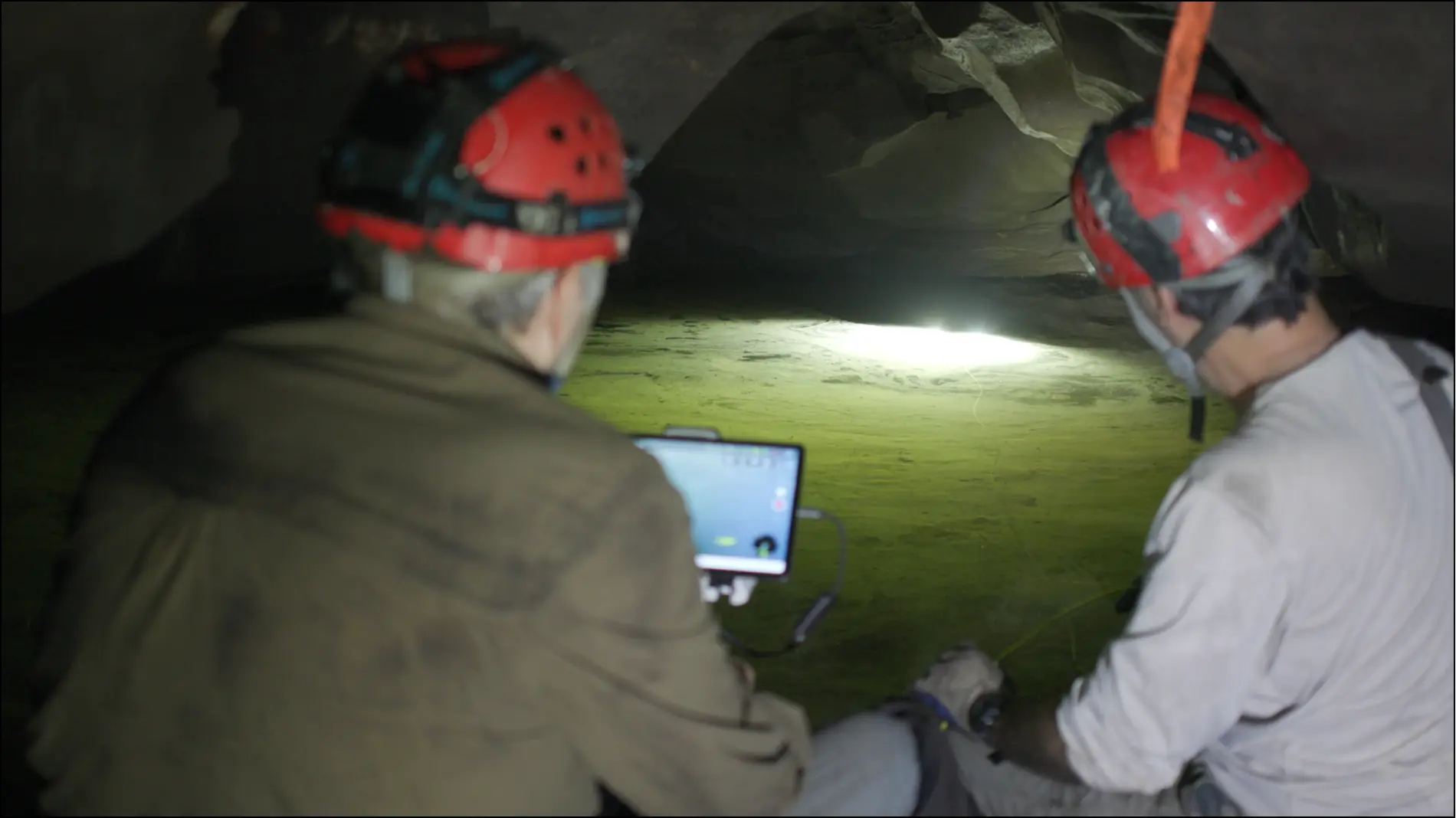
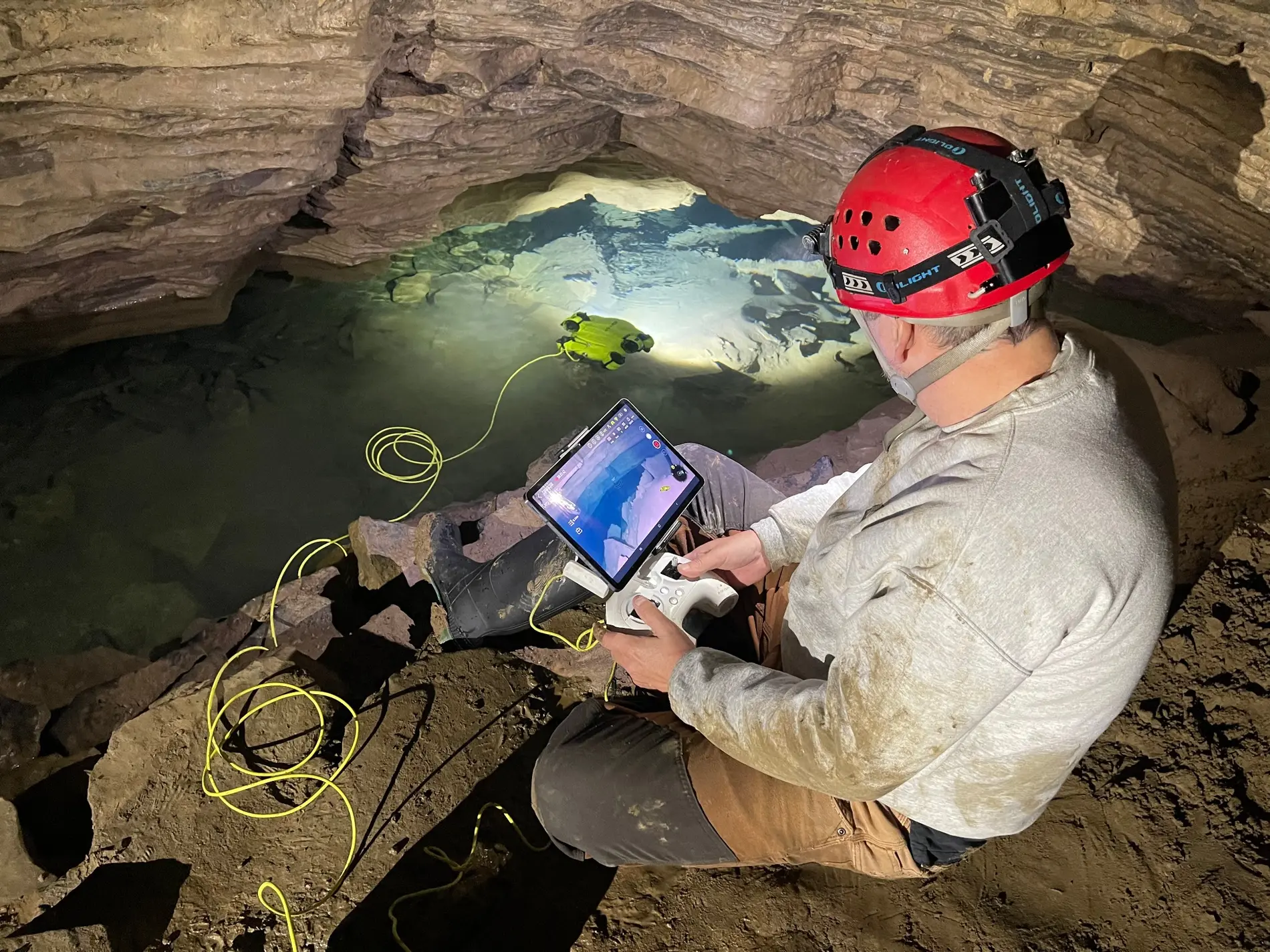
Underwater robotics became part of my fieldwork because flooded passages often preserve the most compelling questions behind the most serious barriers. A remotely operated vehicle can send light and observation ahead without pretending that technology removes uncertainty.
The same principle extends beyond robotics: use the method suited to the evidence, understand its limitations, and resist claiming more than the site can support.
Explore Beyond the Sump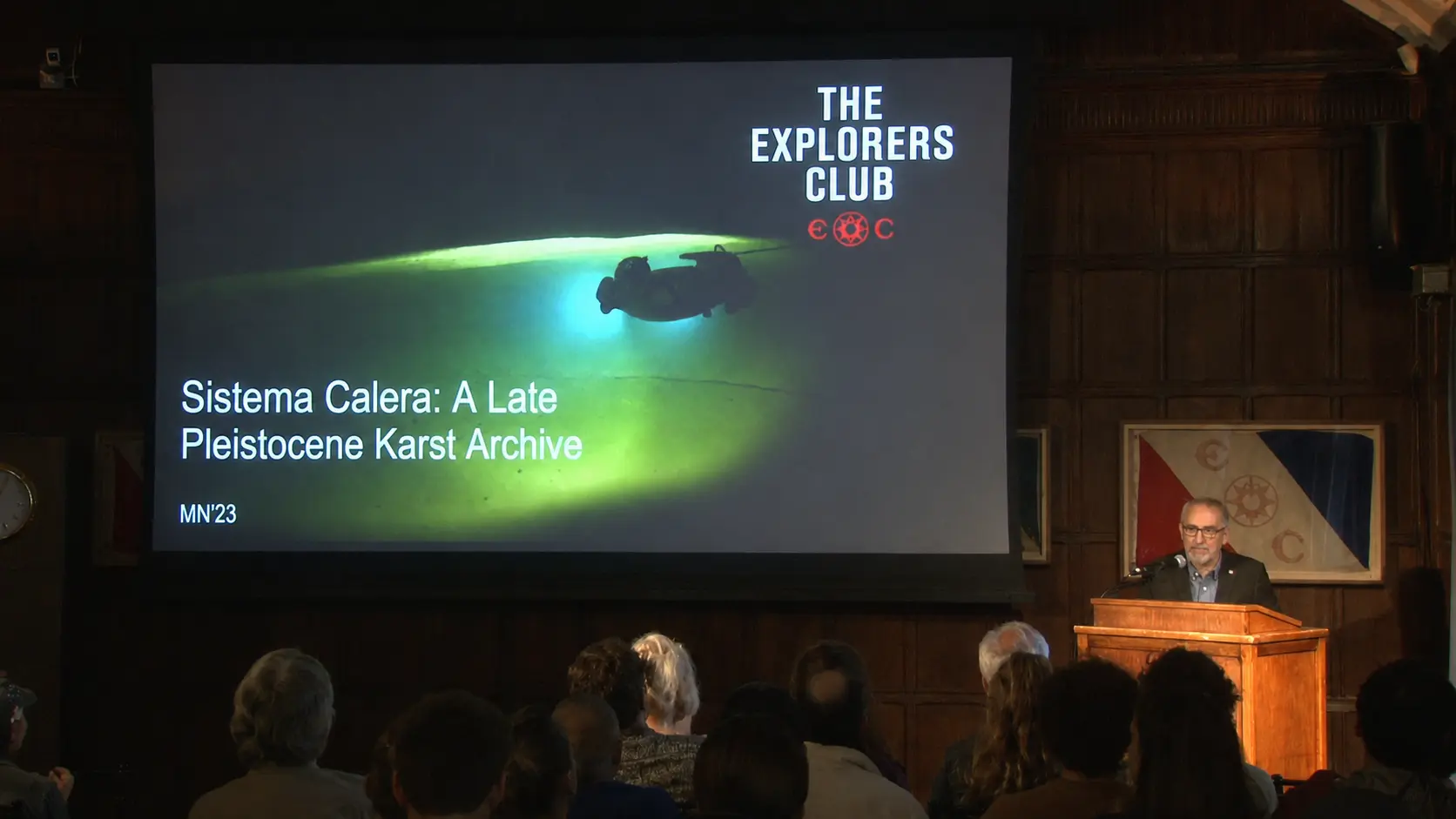
Selected affiliations & recognition
Credentials belong here as context, never as a substitute for the fieldwork itself.
Member, MN’23
Member
Member
Best of Show honors, 2023 and 2024
Beyond the field notes
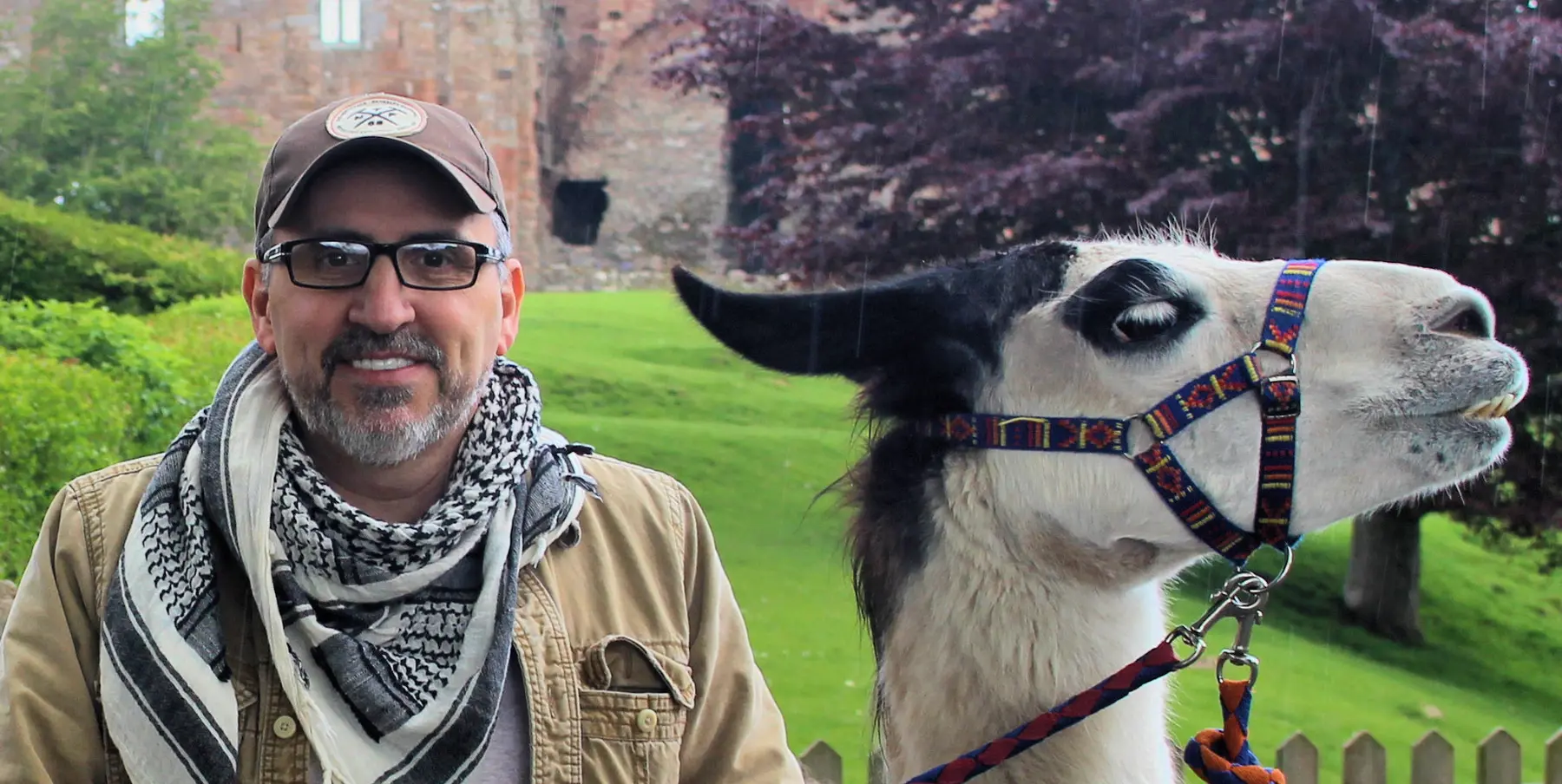
The best expeditions leave room for patience, humor, unexpected company, and the possibility that the most memorable moment may not be the one anyone planned.
Continue into the field
Explore the caves, flooded passages, landscapes, and investigations behind the work.